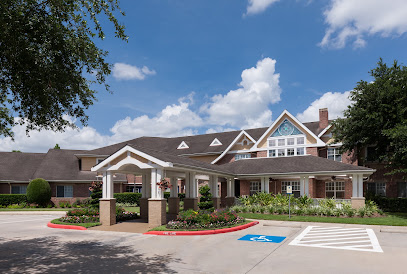







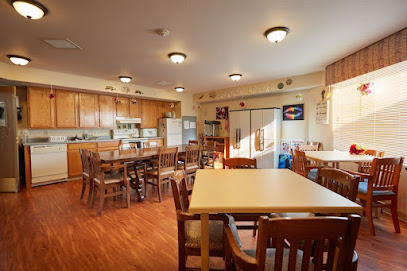


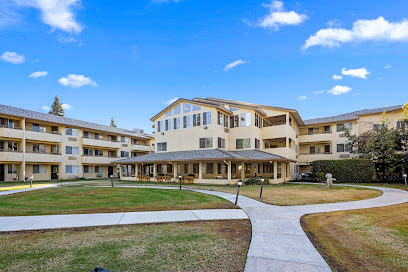






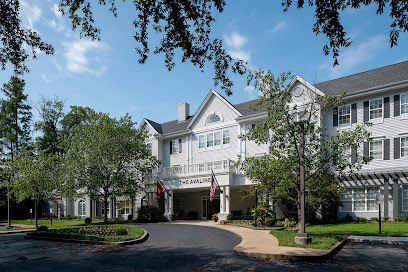

Continuing Care Retirement Communities (CCRCs), also called Life Plan Communities, combine independent living, assisted living, memory care, and skilled nursing on one campus. Residents typically move in independent and stay for life, moving between care levels as needs change. We track 243 CCRCs across the U.S. Most charge a large one-time entrance fee plus a monthly fee.
Key takeaways
- A CCRC offers guaranteed access to higher levels of care as you age, all on one campus, without another move.
- Entrance fees range widely: $100,000 to $500,000 for most communities, $1 million+ at luxury sites. Monthly fees run $2,000 to $6,000 on top.
- Three main contract types (A, B, C) differ in how much future care cost is prepaid. Type A is fully bundled; Type C is fee-for-service.
- A CCRC is a financial commitment as much as a housing choice. Have a financial planner and elder law attorney review the contract.
- Best for people planning ahead in their 60s or 70s, still healthy, who want to make one move and never move again.
What is Continuing Care (CCRC)?
A Continuing Care Retirement Community is a single campus that offers a full continuum of care: independent living for active seniors, assisted living for those who need daily help, memory care for dementia, and skilled nursing for medical needs. Residents typically move in while still fully independent and stay in the same community as their needs change, moving from one level of care to the next without another exhausting move to a new place. Because the CCRC is essentially guaranteeing you a spot in higher levels of care, they charge an upfront entrance fee that can range from $100,000 to over $1 million, plus monthly service fees. Contracts come in three main types. Type A (life care) prepays for all future care at the same monthly rate. Type B (modified) prepays for a limited amount. Type C (fee-for-service) has the lowest entrance fee but you pay market rates when care is needed. CCRCs also vary in whether the entrance fee is refundable to your estate.
How much does continuing care (ccrc) cost?
Median: $5,200/month · based on 243 continuing care (ccrc) providers we track
CCRCs are the most expensive senior living option upfront. Entrance fees typically run $100,000 to $500,000 for a modest to comfortable community. Luxury CCRCs in premium markets can charge $750,000 to over $1 million. Monthly fees on top of that run $2,000 to $6,000 for independent living, higher for assisted living and skilled nursing tiers.
The contract type matters enormously. Type A (life care) includes all future care at essentially the same monthly rate you pay in independent living, no matter how much care you eventually need. Type B (modified) includes a set number of assisted living or nursing days, then market rate after. Type C (fee-for-service) has the lowest entrance fee but exposes you to full market cost for higher care levels.
Refund policies vary. Some contracts refund 50 to 90 percent of the entrance fee to your estate at death. Others are non-refundable. This is a large financial decision. Get the contract reviewed by an elder-law attorney and a fee-only financial planner before signing.
Who is continuing care (ccrc) right for?
Continuing Care (CCRC) is usually the right fit when your loved one is:
- Active senior in their 60s or 70s planning ahead
- Wants to make one move and stay in the same community for life
- Wants guaranteed access to assisted living, memory care, and skilled nursing later
- Has the financial resources for a large entrance fee plus ongoing monthly costs
- Values community, amenities, and the security of an integrated care model
- Wants to avoid burdening children with the "when do we move mom?" decision
Services typically included
- Independent living apartments, cottages, or villas
- Assisted living for daily care needs
- Memory care wing for dementia
- Skilled nursing / rehabilitation on-site
- Full dining program, often multiple restaurants
- Fitness center, indoor pool, walking paths, sometimes golf
- Social calendar, clubs, and educational programs
- Housekeeping, maintenance, transportation, security
- Some communities: hospice, home health, chapel, wellness clinic
How to pay for continuing care (ccrc)
Private pay
The entrance fee and monthly service fees are paid privately, usually from proceeds of selling the family home plus retirement savings. Some CCRCs offer financial planning help.
Long-term care insurance
LTC insurance may cover some assisted living or nursing days in a CCRC. Type A contracts already bundle future care cost, so LTC insurance is less relevant there.
Medicare
Medicare covers short-term skilled nursing stays after a qualifying hospital admission, wherever they happen — including in a CCRC skilled nursing wing. Medicare does not pay for the entrance fee or monthly service fees.
Medicaid
Some CCRCs accept Medicaid for the skilled nursing wing after a resident spends down assets. Others do not. Ask specifically before signing if long-term nursing coverage is a concern.
Refunds and estate planning
Refundable entrance fees preserve part of the fee for your estate at death, at the cost of higher monthly fees. Non-refundable contracts are cheaper monthly but consume the entrance fee entirely. Talk to an estate attorney.
How to choose a continuing care (ccrc) provider
- Understand the contract type (A, B, C) and get quotes for all three options if the community offers them.
- Ask about the entrance fee refund policy in detail. Get the refund schedule in writing.
- Ask for the community's financial statements. A CCRC that goes bankrupt can leave residents in a very difficult position.
- Visit the assisted living, memory care, and skilled nursing wings — not just the independent living side. That is where you will end up eventually.
- Talk to residents who have moved through the care levels. Their experience is the best predictor of yours.
- Have an elder-law attorney and a fee-only financial planner review the contract before signing.
Continuing Care (CCRC) vs other care types
Continuing Care (CCRC) vs Independent Living
Explore Independent LivingStand-alone independent living has a lower financial commitment (no big entrance fee) but no guaranteed pathway to higher care if your health declines. CCRCs cost more upfront and monthly but give you the security of never having to move again.
Continuing Care (CCRC) vs Assisted Living
Explore Assisted LivingIf you already need daily help, assisted living is the right level, not a CCRC. Most CCRCs require you to enter at the independent living level, in reasonable health. Once care needs increase, you cannot easily buy in.
Continuing Care (CCRC) vs Nursing Homes
Explore Nursing HomesA nursing home is a single-level facility for people who need clinical care. A CCRC includes a nursing home as one of its levels but starts from independent living. If you only need skilled nursing, a stand-alone nursing home is the direct option.
Frequently asked questions
What is a CCRC?
A Continuing Care Retirement Community (also called a Life Plan Community) is a single campus offering independent living, assisted living, memory care, and skilled nursing. Residents move in independent and stay for life, transitioning between care levels as needed.
How much does a CCRC cost?
Entrance fees range from $100,000 to over $1 million depending on community, apartment size, and contract type. Monthly service fees run $2,000 to $6,000 for independent living, more for higher care levels.
What are the three CCRC contract types?
Type A (life care) includes all future care at essentially the same monthly rate. Type B (modified) includes a set number of assisted living or nursing days. Type C (fee-for-service) has the lowest entrance fee but you pay market rates when care is needed.
Are entrance fees refundable?
Depends on the contract. Some CCRCs refund 50 to 90 percent of the entrance fee to your estate at death. Others are non-refundable. Refundable options carry higher monthly fees.
When should I move into a CCRC?
Most CCRCs require you to enter at the independent living level and in reasonably good health. Waiting until you need care can disqualify you. Plan ahead in your 60s or 70s if this is your path.
What happens if the CCRC goes bankrupt?
This is the single biggest risk with CCRCs. Some contracts protect the resident's spot and refund, others do not. Review the community's financial statements and reserves before signing.