


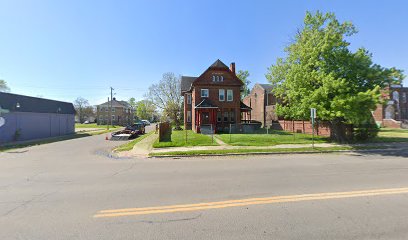




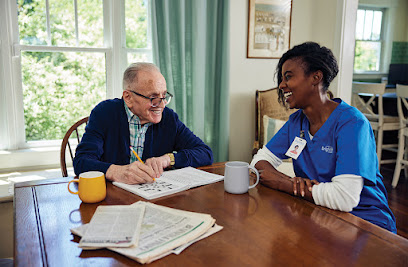



Group homes for seniors, also called residential care homes or board-and-care homes, are small residences that care for 3 to 15 older adults in a home-like setting. Staff-to-resident ratios are usually much better than large communities. We track 214 senior group homes across the U.S. Costs are typically $3,000 to $7,000 per month.
Key takeaways
- Group homes are small residences, usually converted houses, with 3 to 15 senior residents.
- Cost typically $3,000 to $7,000 per month, often less than a larger assisted living community.
- Better staff-to-resident ratios (1:3 to 1:5) mean more personal attention.
- Best for residents who prefer a quiet home-like environment over a larger community and its activity calendar.
- Licensing varies by state. Same regulations apply as larger assisted living in most states.
What is Group Home?
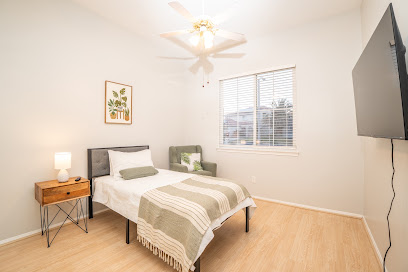
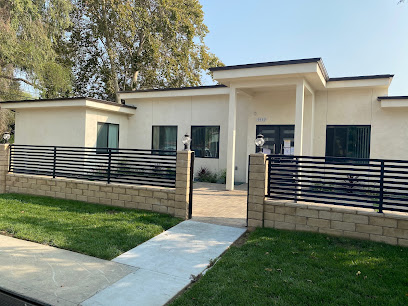
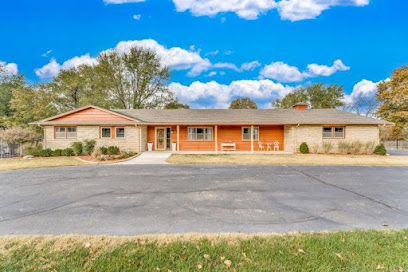
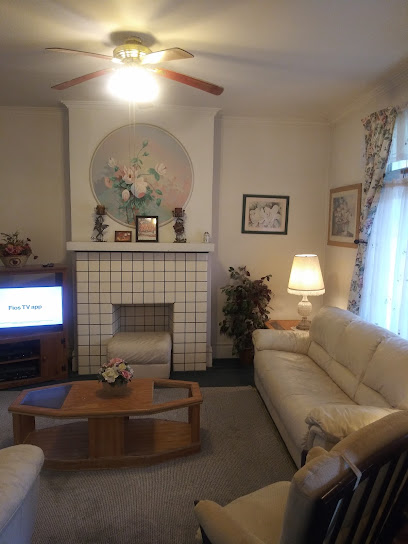
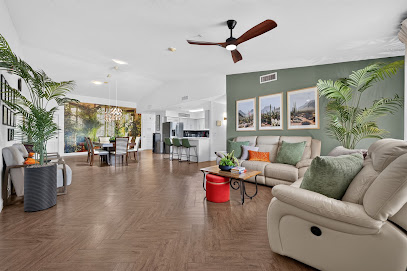
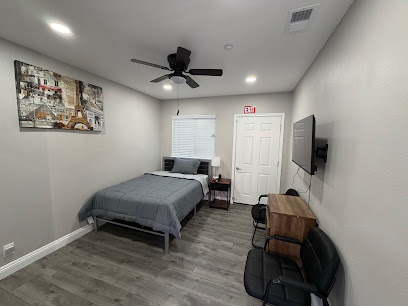
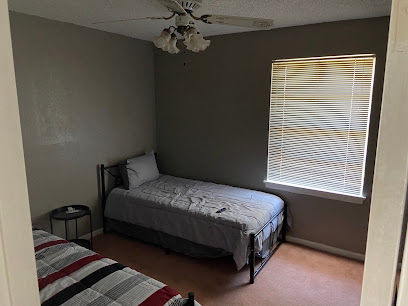
A group home for seniors, also called a residential care home, board-and-care home, or adult family home, is a small facility that houses and cares for a small number of older adults, typically 3 to 15 residents. Group homes are often converted single-family houses in residential neighborhoods, which gives them a homelike feel very different from a large assisted living community. Residents typically have private or shared bedrooms and share the common areas: living room, dining room, kitchen, backyard. Staff-to-resident ratios are usually much better than at larger communities, often 1 caregiver to 3 or 5 residents. Meals are cooked family-style. Activities are simpler and less structured. Group homes are licensed at the state level, usually under the same rules as larger assisted living, though state definitions vary. Some group homes specialize in dementia care, some in physically fragile residents, and some in general senior care.
How much does group home cost?
Median: $5,200/month · based on 214 group home providers we track
Group homes typically cost $3,000 to $7,000 per month, with a median around $4,500. That is often lower than larger assisted living communities in the same area, though the price varies widely based on state, location, and level of care.
The monthly fee usually includes room, all meals, personal care, medication management, and utilities. Some homes charge extra for higher levels of care, incontinence supplies, or specialized services.
Group homes vary in what they include. Some are barely staffed and offer minimal activities. Others have dementia-trained caregivers, transportation, and full personal care. Ask specifically what is included in the base rate.
Who is group home right for?
Group Home is usually the right fit when your loved one is:
- Prefers a small, quiet, home-like environment over a large community
- Introverted or overwhelmed by large group activities
- Wants personal attention from consistent caregivers
- Needs a higher staffing ratio than most assisted living communities offer
- Has dementia and does better in a small, low-stimulation setting
- Family wants to visit in a homelike setting rather than an institutional one
Services typically included
- Private or shared bedroom in a small residence
- Home-cooked meals eaten family-style
- Help with bathing, dressing, and personal care
- Medication administration
- Housekeeping and laundry
- Some transportation, usually limited
- Small-group activities and companionship
- Some homes: dementia specialization, hospice support, wheelchair-accessible
- Higher staff ratios (often 1:3 to 1:5) than larger communities
How to pay for group home
Medicare
Medicare does not pay for group home room and board. Same rule as other residential senior care.
Medicaid
Most states cover group homes through Medicaid HCBS waivers, sometimes with better coverage than larger assisted living because of the lower cost. Ask the home which Medicaid programs they accept and if they have Medicaid beds available.
VA Aid & Attendance
The Aid & Attendance benefit works well for group homes, especially because the total monthly cost may be closer to the benefit amount.
Long-term care insurance
Most LTC policies cover licensed group homes and residential care homes. Check that the specific home is licensed under the type your policy covers.
Private pay
Group homes are often chosen partly for cost reasons, so private pay is common. Some homes offer discounted rates for long-term commitments.
How to choose a group home provider
- Visit at meal time. See how the caregivers interact with residents and what the meals actually look like.
- Look at the physical space. Group homes are still someone's home; if it feels stale, cluttered, or worn out, keep looking.
- Ask how many caregivers are on duty at each time of day. Some group homes have just one caregiver on overnight, which is a concern.
- Check the state licensing record. Same online sites that list larger assisted living usually list group homes too.
- Meet the owner. In most group homes, the owner is on-site regularly. Their character sets the tone.
- Ask about the other residents. Compatibility matters more in a group home than in a larger community.
Group Home vs other care types
Group Home vs Assisted Living
Explore Assisted LivingLarger assisted living has more amenities, more activities, more residents, and typically a bigger staff. Group homes trade all that for smaller size, more personal attention, and often lower cost. Fits different personalities.
Group Home vs Memory Care
Explore Memory CareSmall group homes that specialize in dementia can be an excellent alternative to a large memory care community. The quiet, homelike setting reduces agitation for many people with dementia. Fewer amenities but more personal attention.
Group Home vs Home Care
Explore Home CareHome care keeps your loved one in their own house. A group home moves them into someone else's house. Group homes cost more per month than a few hours of home care per day but less than round-the-clock home care.
Frequently asked questions
What is a senior group home?
A small residence, usually a converted single-family house, that houses and cares for 3 to 15 older adults. Also called a residential care home, board-and-care home, or adult family home depending on the state.
How much does a group home cost?
Typically $3,000 to $7,000 per month, with a median around $4,500. Often lower than larger assisted living communities, though the exact cost varies by state and location.
What is the difference between a group home and assisted living?
Group homes are smaller (3 to 15 residents), more homelike, and often have better staff ratios. Larger assisted living communities have more amenities, more residents, and more activities. Personality and preference determine the fit.
Are group homes licensed?
Yes, in every state. Licensing usually falls under the same assisted living rules as larger communities. Some states have specific licensing categories for group homes (e.g., "adult family home" in Washington).
Do group homes accept Medicaid?
Many do, through state Medicaid HCBS waivers. Coverage varies by state. Ask each home which Medicaid programs they accept and how many Medicaid beds are available.
Can group homes handle dementia?
Many can, and some specialize in dementia care. The quiet, small-group environment often works well for people with dementia. Ask about specific dementia training and how the home handles behaviors.