





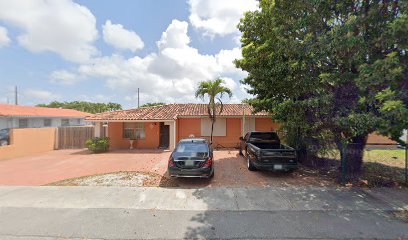





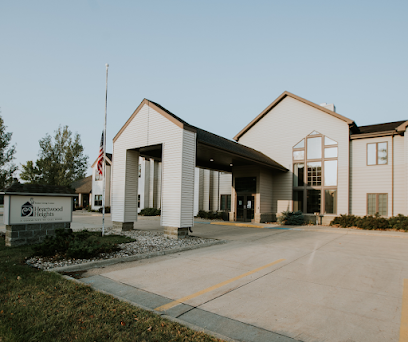

Independent living communities are apartment-style residences for active older adults who do not need help with daily activities. Residents get their own private apartment plus shared amenities, meals, social activities, and maintenance-free living. We track 1,517 independent living communities nationally, with median cost around $8,669/month.
Key takeaways
- Independent living is for active seniors who can manage on their own but want a maintenance-free lifestyle with community and amenities.
- Median cost is about $3,500 per month, though luxury communities can run $6,000 or more.
- No personal care is included. If your loved one needs help bathing or with medications, they need assisted living, not independent living.
- Meals, housekeeping, transportation, and social programming are typically included in the monthly fee.
- Medicare, Medicaid, and VA benefits do not pay for independent living because it is not medical care. Most residents pay privately.
What is Independent Living?
Independent living is essentially an apartment community designed for people 55 or 62 and older. Residents live in private apartments or cottages with a full kitchen, bathroom, and living space. The community handles all the tedious parts of home ownership: maintenance, yard work, security, and often meals and housekeeping. Amenities usually include a dining room, fitness center, library, hair salon, community rooms, and a full calendar of social activities and outings. Some communities are affiliated with an assisted living or memory care wing, so residents can move to a higher level of care later without leaving campus. Independent living does NOT include help with daily activities like bathing, dressing, or medication management. If your loved one needs any of that, they need assisted living.
How much does independent living cost?
Median: $8,669/month · based on 1,517 independent living providers we track
Independent living costs about $3,500 per month on the national median, with a range from around $2,500 for a modest studio in a low-cost area to $6,000 or more for a two-bedroom in a luxury community. That is significantly less than assisted living because the community is not providing personal care staffing.
The monthly fee typically covers rent, utilities (except phone and internet), meals in the dining room, housekeeping, transportation, and social programming. Some communities charge a la carte for meals and services; others bundle everything.
A separate community model is the CCRC, or continuing care retirement community, which charges a large one-time entrance fee (often $100,000 to $500,000) in exchange for guaranteed access to higher levels of care later. If you are exploring independent living, you should also look at CCRCs.
Who is independent living right for?
Independent Living is usually the right fit when your loved one is:
- Active, healthy senior who wants to downsize
- Tired of home maintenance, cooking, and yard work
- Wants social connection and easy access to activities
- Wants to plan ahead and move before a health crisis forces the decision
- Widowed and looking for community
- Not ready for assisted living but wants senior-focused housing
Services typically included
- Private apartment or cottage with full kitchen
- Meals in a community dining room (some or all included)
- Weekly housekeeping and linen service
- Building and grounds maintenance
- Transportation to shopping, appointments, and outings
- Fitness center, walking paths, pool at many communities
- Social activities, clubs, and educational programs
- 24-hour security or emergency response
- Some communities: connected assisted living or memory care
How to pay for independent living
Medicare
Medicare does not pay for independent living. It is not medical care.
Medicaid
Medicaid does not pay for independent living for the same reason. Some states have subsidized senior housing programs (Section 202 HUD housing) for very-low-income seniors, which is a separate program.
VA benefits
VA benefits do not directly pay for independent living. However, veterans with a service-connected disability may qualify for a State Veterans Home, which can include independent living options.
Long-term care insurance
LTC insurance does not typically cover independent living because there is no care being provided. Some policies with a "residential care" clause may reimburse partially — read your policy.
Private pay
Almost all independent living is paid privately from savings, Social Security, pensions, and proceeds from selling the family home. Most residents finance the move by selling their house and using proceeds to pay ongoing rent.
How to choose an independent living provider
- Visit at meal time and eat lunch. Dining quality is the number-one thing residents talk about.
- Ask about the average age and health level of current residents. You want a community that fits your loved one's stage of life.
- Ask what happens when a resident needs care. Do they have to move? To where? At what extra cost?
- Look at the social calendar. If it is empty or dated, the community is probably not thriving.
- Ask about the ownership. Is it a nonprofit, a national chain, or an individual owner? Each has trade-offs.
- Get the resident agreement in writing and read the entire fee schedule before you sign.
Independent Living vs other care types
Independent Living vs Assisted Living
Explore Assisted LivingAssisted living includes personal care (bathing, dressing, medications). Independent living does not. If your loved one is fully independent, do not pay for assisted living. If they need any daily help, do not choose independent living.
Independent Living vs Continuing Care (CCRC)
Explore Continuing Care (CCRC)A CCRC combines independent living, assisted living, memory care, and skilled nursing on one campus, so you can move up levels without changing communities. CCRCs charge a large entrance fee. Worth it if you plan to stay for decades.
Independent Living vs Home Care
Explore Home CareHome care is a way to stay in your current house with help coming to you. Independent living is a move to a community designed for seniors. Home care makes sense if you love your neighborhood. Independent living wins on social life and maintenance freedom.
Frequently asked questions
How much does independent living cost?
The national median is about $3,500 per month, with a range of $2,500 to $6,000+ depending on state, community, and apartment size. Meals, housekeeping, and social programming are usually included.
Does Medicare pay for independent living?
No. Independent living is not medical care. Medicare, Medicaid, and VA benefits do not pay for it. Most residents finance the move by selling their home and paying rent from the proceeds plus Social Security.
What is the difference between independent living and assisted living?
Independent living is for people who can do everything themselves. Assisted living adds help with daily activities like bathing, dressing, and medications. If your loved one needs any of that, they need assisted living.
What is included in the monthly fee?
Typically: rent, utilities (except phone and internet), meals in the community dining room, weekly housekeeping, maintenance, transportation, and social programming. Some communities charge a la carte for meals or services.
Can I get care if I need it later?
Depends on the community. Some communities are stand-alone and require you to move if you need care. Others are on a campus with assisted living, memory care, or nursing on-site so you can move without leaving. Ask before you sign.
Can I bring my furniture and pets?
Yes, residents furnish their own apartments. Most communities allow small pets with a fee and a size limit. Confirm the pet policy before you tour.
What age do I need to be?
Most communities are 55+ or 62+. A younger spouse can usually move in with a qualifying older partner. Confirm with each community.