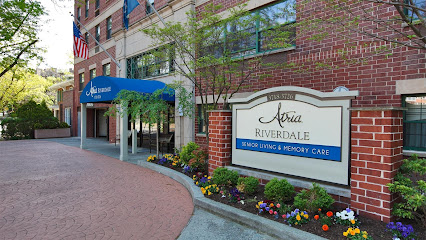

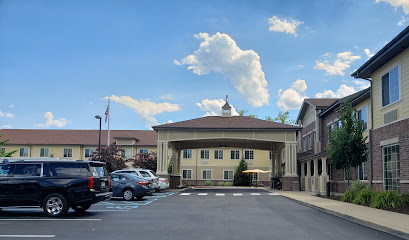

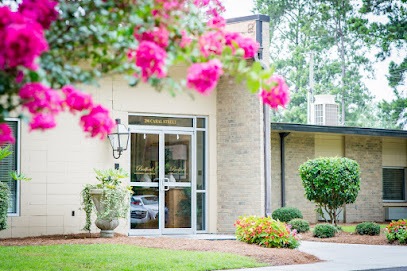
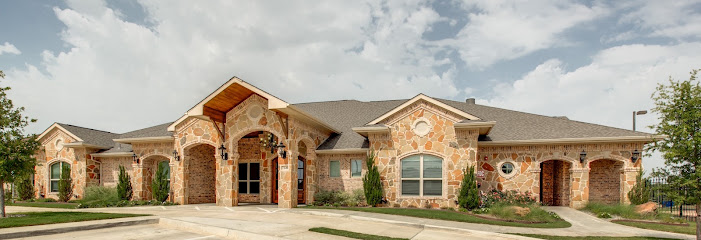
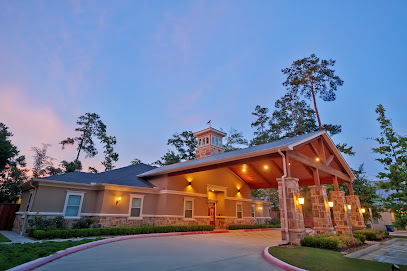
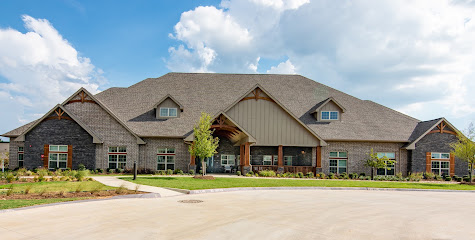



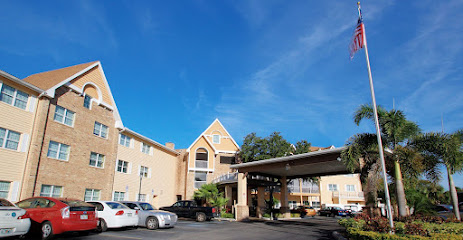
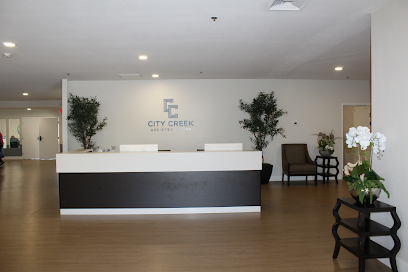
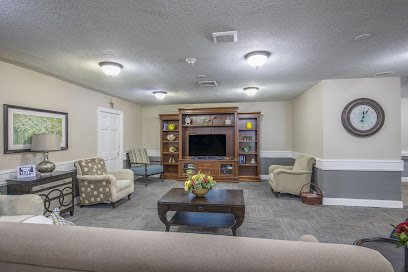
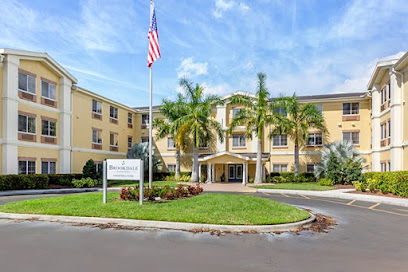
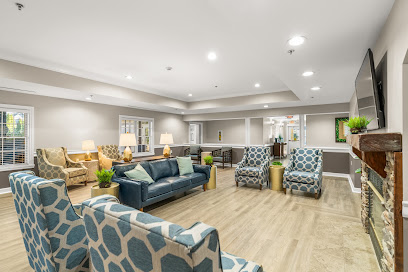


Memory care communities specialize in caring for people with Alzheimer's, dementia, and other cognitive conditions. Residents live in a secured environment with staff trained to handle wandering, agitation, and the daily challenges of memory loss. We track 2,023 memory care providers nationally with a median cost of about $5,000/month.
Key takeaways
- Memory care is for people with a dementia or Alzheimer's diagnosis, especially when wandering, exit-seeking, or behavioral symptoms make regular assisted living unsafe.
- Median cost is about $6,500 per month, roughly $1,000 to $2,000 more than assisted living because of the higher staffing and secured environment.
- Communities use secured entrances, enclosed courtyards, and structured routines to reduce anxiety and keep residents safe.
- Staff are specifically trained in dementia care and behavior redirection, not just senior care in general.
- Medicare does not pay for room and board. Some states cover memory care through Medicaid waivers, and VA benefits can help qualifying veterans.
What is Memory Care?
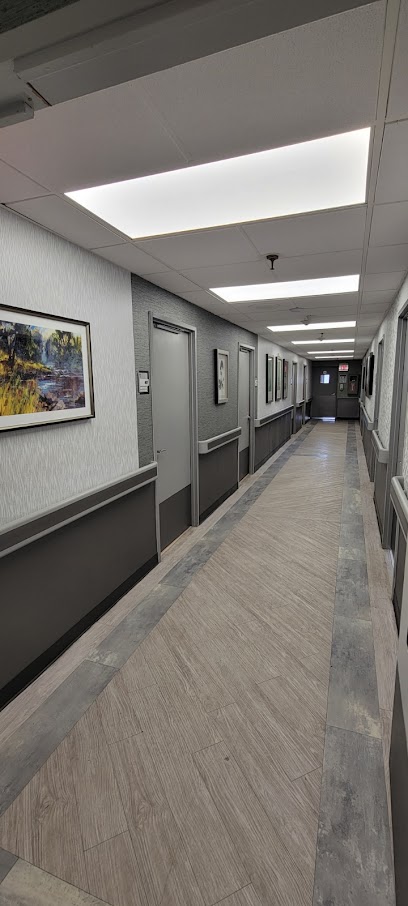
Memory care is a specialized form of long-term care for people with Alzheimer's disease or another form of dementia. The physical environment is secured to prevent residents from wandering off. Rooms and common areas use visual cues, contrasting colors, and simple layouts to reduce confusion. Programming is structured and repetitive by design, because routine reduces anxiety in people with cognitive impairment. Staff are trained specifically in dementia care, including how to redirect a resident who is agitated, how to help with bathing when the resident does not understand what is happening, and how to recognize the difference between a behavioral symptom and a medical emergency. Some memory care communities stand alone. Others are dedicated wings inside a larger assisted living community, which can be a good fit if a spouse without dementia also needs assisted living.
How much does memory care cost?
Median: $5,000/month · based on 2,023 memory care providers we track
Memory care costs about $6,500 per month on the national median, though the range runs from roughly $5,000 to $10,000 depending on the state, the size of the community, and how much personal care the resident needs. The premium over regular assisted living pays for higher staffing ratios and the secured, dementia-designed environment.
Almost all memory care communities charge a base rate that already includes dementia-specific programming and secured space. Additional care fees kick in for things like heavy incontinence care, resistance during personal care, or one-on-one supervision. Ask for the specific care-level pricing tiers and what triggers a move up.
Because dementia progresses, plan for costs to increase over time. Also plan for the possibility of needing a nursing home eventually if a resident develops complex medical needs the memory care community cannot manage.
Who is memory care right for?
Memory Care is usually the right fit when your loved one is:
- Diagnosed with Alzheimer's, vascular dementia, Lewy body dementia, or another form of cognitive decline
- Wandering, exit-seeking, or getting lost
- Falling repeatedly, forgetting to eat, or leaving the stove on
- Aggressive, agitated, or hallucinating in ways that scare family or roommates
- Not safe living alone and beyond what a regular assisted living community can handle
- Family caregivers are exhausted or dealing with sundowning and sleep loss
Services typically included
- Secured entrances and enclosed outdoor courtyards
- 24-hour supervision with dementia-trained staff
- Structured daily routines, simple activities, and reminiscence therapy
- Help with all activities of daily living, including bathing when the resident resists
- Medication administration
- Meals prepared to accommodate swallowing and appetite changes
- Behavior redirection instead of physical or chemical restraints
- Programming for cognitive engagement (music, art, sensory activities)
- Family support and education about dementia progression
How to pay for memory care
Medicare
Medicare does not pay for room and board in a memory care community. It will pay for short-term skilled nursing or physical therapy after a hospital stay, and it covers hospice care at the end of life. It does not cover the ongoing cost of memory care.
Medicaid
Some states cover memory care through Medicaid HCBS waivers, though room and board is usually still out of pocket. Coverage varies significantly. Ask each community which state Medicaid waivers they accept and how many Medicaid beds they have available.
VA Aid & Attendance
Veterans and surviving spouses with dementia often qualify for the maximum Aid & Attendance benefit because of the level of care they need. This can add $1,500 to $2,500 per month toward memory care costs. Apply through a VSO for free help.
Long-term care insurance
LTC insurance often covers memory care if the policy includes cognitive impairment as a benefit trigger. Read the policy carefully. Some older policies exclude dementia. File a claim as soon as the diagnosis is made.
Private pay
Most families pay some or all of memory care out of pocket, often by selling the family home. A bridge loan against the home during the sale process can cover the gap between move-in and closing.
How to choose a memory care provider
- Visit unannounced during the late afternoon, when sundowning behavior peaks. See how staff handle it.
- Ask what specific dementia training the staff receive, not just "we specialize in memory care."
- Look at how residents are dressed, whether they look clean, and whether they seem engaged or parked in front of a TV.
- Ask what happens when a resident becomes physically aggressive. The right answer is not "we call 911" or "we send them out."
- Confirm whether the community can care for a resident all the way to end of life or will require a move to a nursing home.
- Ask about staff-to-resident ratios by shift. Memory care needs higher ratios than regular assisted living, especially at night.
Memory Care vs other care types
Memory Care vs Assisted Living
Explore Assisted LivingAssisted living is fine for early-stage dementia if the resident is not wandering or having behavioral symptoms. Once safety becomes an issue, memory care is the right fit. Some communities offer both under one roof so residents can move between them.
Memory Care vs Nursing Homes
Explore Nursing HomesNursing homes take dementia patients with complex medical needs, tube feeding, or advanced physical decline. Memory care fits residents whose primary need is dementia care, not medical care. Nursing homes cost more and feel more clinical.
Memory Care vs Home Care
Explore Home CareHome care with a dementia-trained caregiver can work in the early stages, especially if the family is present most of the time. As dementia progresses, most families move their loved one to a memory care community because 24-hour home coverage is expensive and hard to staff reliably.
Frequently asked questions
How much does memory care cost?
The national median is about $6,500 per month, with a range of roughly $5,000 to $10,000 depending on state, community size, and care level. Memory care typically costs $1,000 to $2,000 more per month than assisted living.
When is it time for memory care?
Consider memory care when wandering, aggression, or dangerous behaviors (leaving the stove on, getting lost) put the person at real risk, and when family or home caregivers can no longer provide safe 24-hour supervision. A neurologist or geriatrician can help confirm the timing.
What is the difference between memory care and assisted living?
Memory care is secured, uses dementia-trained staff, and follows structured routines designed for people with cognitive impairment. Assisted living is more open and less specialized. Someone in the early stages of dementia can do fine in assisted living. Someone who wanders or gets aggressive needs memory care.
Does Medicare pay for memory care?
No, Medicare does not pay for room and board in memory care. It will cover short-term skilled care after a hospital stay and pays for hospice at end of life, but not the ongoing cost of living in a memory care community.
Will my parent be safe if they wander?
Memory care communities have secured entrances, enclosed outdoor courtyards, and monitored access to prevent residents from leaving unsupervised. Some also use wander alarms or resident tracking. Ask each community how they specifically handle wandering.
Can my parent stay in memory care to the end of life?
Some memory care communities can handle end-of-life care with hospice support. Others require a move to a nursing home when medical needs become complex. Ask each community about their end-of-life policy before you sign.
How long do people typically live in memory care?
The average length of stay is about 2 to 3 years, though it varies widely depending on when the person moves in and how their dementia progresses. Some residents stay for a few months, others for 5 or more years.