









Respite care is short-term senior care that gives family caregivers a break — a few hours, a few days, or a few weeks. It can be delivered at home or as a short stay in an assisted living or memory care community. We track 449 providers offering respite care in some form. Cost depends on the setting.
Key takeaways
- Respite care is short-term care, not permanent placement. Common lengths: a few hours, a weekend, a week, or up to 30 days.
- Delivered as home care by the hour ($25-45/hr), adult day care ($70-150/day), or a short stay in a residential community ($100-400/day).
- The purpose is caregiver relief, not the care recipient's long-term needs. Use it before caregiver burnout, not after.
- Medicare covers respite for hospice patients only. Medicaid HCBS waivers often include respite hours. VA benefits may cover it.
- Many families use respite as a "trial" of assisted living before committing to a permanent move.
What is Respite Care?
Respite care is short-term care with a specific purpose: giving the family caregiver a break. Caring for an aging parent or spouse is one of the most demanding things a person can do, and the research is clear that burned-out caregivers get sick, get depressed, and can no longer provide safe care. Respite is the pressure-release valve. It comes in three main forms. In-home respite sends a caregiver to relieve the family caregiver for a few hours or overnight. Adult day care provides regular daytime respite on weekdays. Facility-based respite is a short stay at an assisted living, memory care, or nursing community — typically a weekend, a week, or up to a month. Facility respite is a great way to sleep, take a vacation, recover from surgery, or try out a community you might use permanently later. Use respite regularly, on a schedule, before you burn out.
How much does respite care cost?
Median: $5,200/month · based on 449 respite care providers we track
Cost depends entirely on the setting. In-home respite from an agency runs $25 to $45 per hour, same as regular home care. Adult day care runs $70 to $150 per day. A short stay at an assisted living community runs $100 to $250 per day; memory care $150 to $350; skilled nursing $250 to $400 or more.
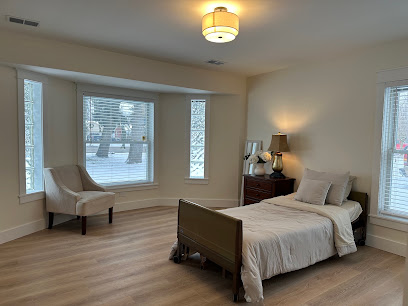
Facility respite usually includes a room, meals, activities, and personal care. Some communities require a minimum stay (often 7 days) and a health assessment before accepting a respite guest.
Emergency respite (when a caregiver is suddenly hospitalized) is often available on very short notice at senior care communities and through some social service agencies. Every family caregiver should have a respite plan in place before they need it.
Who is respite care right for?
Respite Care is usually the right fit when your loved one is:
- Family caregiver needs a vacation or a break
- Family caregiver has surgery or hospitalization coming up
- Family caregiver is exhausted, depressed, or getting sick from caregiving
- Family wants to try out a community before committing to a permanent move
- Loved one is recovering from a hospital stay and needs temporary support
- Emergency situation: primary caregiver is suddenly unavailable
Services typically included
- Short-term stay in a private or shared room
- All meals and snacks
- Help with personal care during the stay
- Medication administration
- Activities and social programming
- 24-hour staff supervision
- Some communities: memory care wing for dementia respite
- In-home respite: relief caregiver in your loved one's house
- Adult day care: daytime respite on a regular schedule
How to pay for respite care
Medicare
Medicare covers respite care ONLY for patients enrolled in hospice: up to 5 consecutive days of inpatient respite per hospice benefit period. Otherwise Medicare does not cover respite.
Medicaid
Most state Medicaid HCBS waivers include respite hours or days. The National Family Caregiver Support Program (funded through the Older Americans Act) also provides limited respite grants through local Area Agencies on Aging.
VA benefits
The VA offers respite care to eligible veterans, up to 30 days per year in most cases, either at home, in adult day care, or in a facility. Ask a VA social worker or your local VSO.
Long-term care insurance
Most LTC policies cover respite care. Check the daily benefit and any restrictions on how it can be used.
Private pay
Most respite is paid privately. Some senior care communities offer discounted "try-it-out" respite stays for future prospective residents. Nonprofits like the Alzheimer's Association sometimes offer respite grants.
How to choose a respite care provider
- Do not wait until you're burned out. Schedule respite regularly, like once a month, before you need it.
- Try a residential community you are considering for a permanent move. A weekend respite stay is a great trial.
- Ask about minimum stays. Some communities require 7 days for facility respite.
- Book emergency respite in advance. Know 2 or 3 places you would call in a crisis.
- Bring familiar items to a facility respite stay: a photo, a blanket, a favorite snack. Reduces confusion for people with dementia.
- Ask about medication management. Some facilities cannot dispense certain medications without a nursing order.
Respite Care vs other care types
Respite Care vs Home Care
Explore Home CareOngoing home care and respite home care are essentially the same service. The difference is intent: home care is a regular schedule; respite is short-term relief. Same rates, same caregivers, same agency.
Respite Care vs Adult Day Care
Explore Adult Day CareAdult day care is respite delivered on a regular weekday schedule. Great for family caregivers who work full-time. Overnight respite is a different service, typically at a residential community.
Respite Care vs Assisted Living
Explore Assisted LivingA weekend or week-long respite stay at an assisted living community is a great way to try it out before committing to a permanent move. Ask if the respite fee applies as a credit toward move-in.
Frequently asked questions
What is respite care?
Short-term senior care that gives the primary family caregiver a break. Can be a few hours at home, a day at an adult day program, or a weekend to 30-day stay at a residential community.
How much does respite care cost?
Depends on setting: $25-45/hour for in-home, $70-150/day for adult day care, $100-400/day for a residential stay. Memory care and skilled nursing respite are at the higher end.
Does Medicare cover respite care?
Medicare covers respite ONLY for hospice patients: up to 5 consecutive inpatient days per hospice benefit period. Otherwise Medicare does not cover respite.
How long can respite stays be?
Anywhere from a few hours to 30 days. Most residential communities require a minimum stay of 7 days. Some allow longer stays up to 60 or 90 days depending on the arrangement.
Can I try out an assisted living community with a respite stay?
Yes, this is a common and smart approach. Many communities offer respite stays specifically as a trial. Ask if the fee applies as a credit toward move-in if you decide to make it permanent.
What if I need emergency respite?
Some communities accept emergency respite admissions with 24-48 hours notice. Home care agencies can sometimes send a caregiver on the same day. Have a plan in place before you need it.